
AI Memory Shortage 2026
What does it mean for the POS and Payment Industry ?
Recent headlines have highlighted a growing AI memory shortage in 2026, driven by explosive demand for artificial intelligence infrastructure. The AI-driven memory demand is real. But what’s increasingly concerning is how this narrative is being misapplied across unrelated hardware markets, particularly legacy and End-of-Life (EOL) products in the payment industry.
What the AI RAM shortage actually affects ?
The current shortage primarily impacts high-bandwidth memory (HBM) used in AI GPUs and large-scale data centre infrastructure. HBM is complex to manufacture, requires advanced packaging, and consumes significant wafer capacity.
This production shift does influence parts of the semiconductor supply chain. However, it does not automatically justify price spikes across all hardware categories, especially legacy POS terminals.
HBM used in AI servers is fundamentally different from the embedded memory components used in payment terminals. Conflating the two creates confusion, and in some cases, opportunistic pricing behaviour.
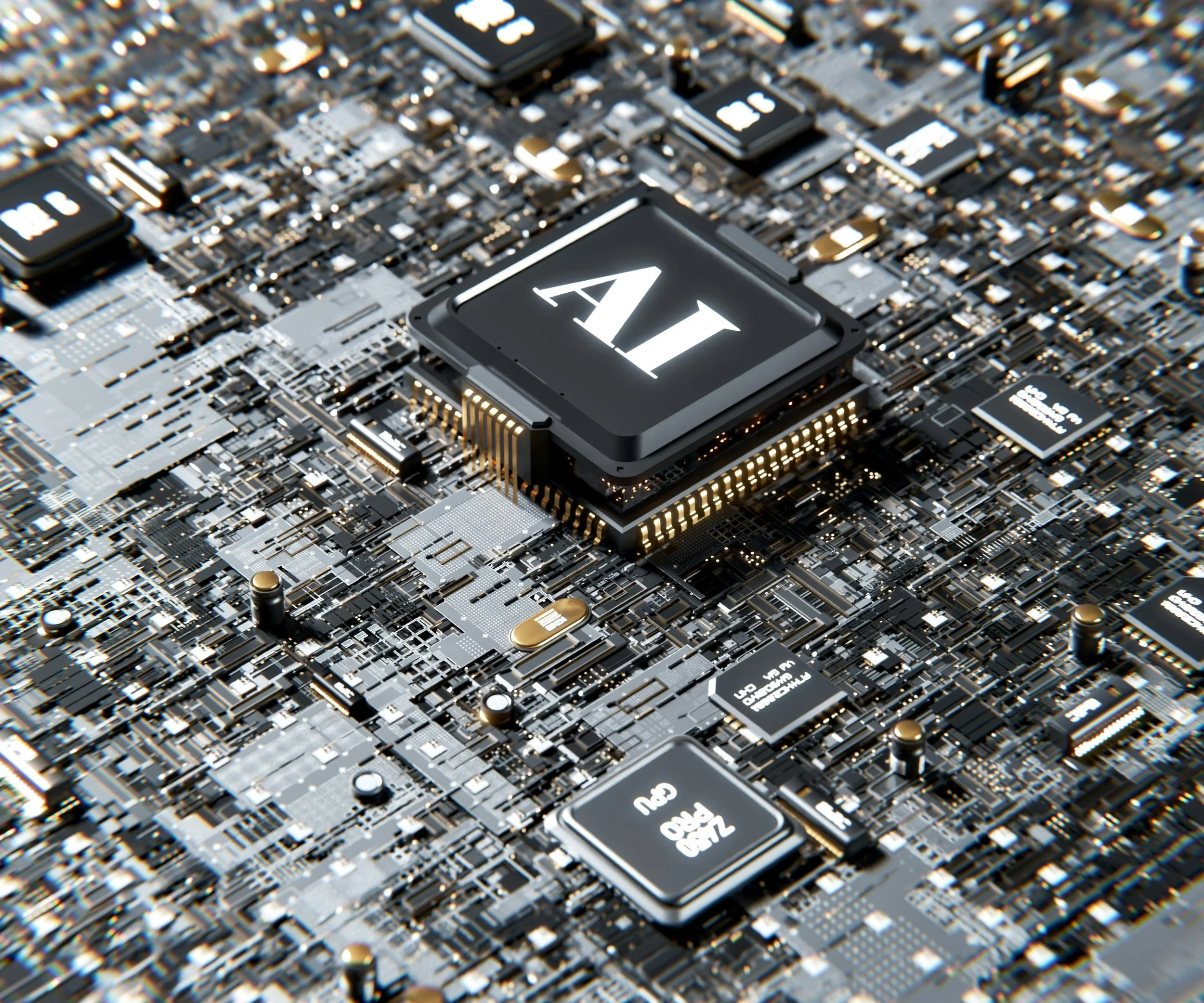
RAM Shortage becoming a sales tool
We are already seeing sellers attempt to offload older stock at inflated prices, citing “global RAM shortages” as justification. Although it could indirectly impact POS Machines. POS terminals do not use HBM. They rely on embedded processors and standard memory designed for long lifecycle use. However, there are potential secondary effects worth monitoring:
1. Capacity Allocation Shifts
If manufacturers prioritise high-margin AI components, supply of certain lower-margin memory categories could gradually tighten.
2. Lead Time Adjustments
Macro-level wafer constraints could influence lead times for some embedded components, though typically in a gradual, structural way.
3. Moderate Pricing Pressure
Broader semiconductor cycles may create marginal cost increases in hardware manufacturing, including POS devices. But these effects would be slow-moving and structural, not sudden spikes that justify inflated pricing on existing EOL POS stock.
Why does POS Hardware Operate Differently ?
The payment hardware market is driven more by:
PCI certification timelines
OEM discontinuation policies
Component obsolescence cycles
Regional regulatory requirements
Merchant upgrade behaviour
A Responsible Approach to Market Volatility
In volatile periods, clarity matters. Responsible sourcing means distinguishing between genuine structural supply constraints and narrative-driven pricing. Buyers benefit from partners who apply rigorous market diligence, monitor component-level impacts, and base pricing decisions on verified data rather than assumption. It also requires separating AI infrastructure demand from embedded hardware supply chains, ensuring that market noise does not distort commercial decisions. The AI memory shortage in 2026 is reshaping parts of the semiconductor industry, but its relevance to POS terminals must be assessed with technical and commercial accuracy, not speculation.